Showing posts with label drought-resistant plants. Show all posts

Wednesday, February 17, 2016

Lawns, Weeds, and Flowers

Gazania and Daffodil in Lawn, © B. Radisavljevic
Since the drought started here in Paso Robles, landscaping has changed radically. Many people have removed their lawns and replaced them with drought-resistant plants surrounded by a bark or gravel mulch. I'd also like to  do that, but so far I can't afford it. Meanwhile, I have a field of green and yellow in front of my house, and once a week it becomes mostly green after the gardener tops of what's left of the grass. I snapped this picture yesterday before he could cut my lawn flowers today.

I only have one gazania in my lawn so far,  and I have no idea how it got there. I have many of them on the borders of my flowerbeds, but they are too far away to have escaped here to the middle of the lawn. I'm very tempted to plant them all over the lawn, since they are very cheerful and need virtually no care. They seem to survive on the water that comes from the sky.

There's no arguing that a gazania is a flower, though some might consider this one a weed simply because of its location. Except for its size, though, why is it considered more of a flower than the dandelion beside it? One can even eat the dandelions, flowers and all. Like the gazanias, the dandelions provide color all year.

Meanwhile, there's no doubt that these daffodils are flowers. We are expecting rain tomorrow, so I decided I'd better put out some organic snail bait tonight to try to save the rest of these and my other daffodils. I use the Garden Safe brand and it has always worked well for me when I remember to  use it in time. The rains caught me off-guard this year.

It's hard to believe that the lamb's ear plants to the right and behind the daffodils all came from one plant a few years ago that multiplied. Maybe I should put some of that where the lawn is.

Snails have attacked these daffodils. © B. Radisavljevic

Do you still have a lawn? If not, what did you put in its place?

Wednesday, September 16, 2015

I Love Lantanas

Lantana in Bloom


Recently as I walked by the Park Cinemas Theater, I could not help but notice how tall the lantanas in their planters have grown this summer. I have always loved lantana's multi-colored flowers, but today is the first time I've ever seen their berries. Most lantanas I've planted have never matured enough to produce berries. This photo shows both the flowers and the berries.


Lantana Flowers and Berries in Front of Park Cinemas, Paso Robles, © B. Radisavljevic


The photo  below shows the berries, both green and mature, up close. If one picks the fully mature berries and digs the seeds out of them, one can then clean the seeds and dry them  for a couple of days. Refrigerate the dried seeds in a sealed container until you are ready to plant them.

They should be planted in spring when the weather warms up. Water well at first until established, and then water should be cut back to about once a week. Fertilizer is not necessary. Lantanas can also be propagated from cuttings.


Lantana Berries in Front of Park Cinemas, Paso Robles, © B. Radisavljevic


Both birds and bees love lantanas for different reasons. The bees forage in their flowers and the birds eat the berries. Butterflies, especially swallowtails, also enjoy the flowers. The leaves are toxic to most animals, as are the green berries. The jury is still out on whether it is safe to eat the fully ripe blackberries.  I would not advise eating them.

In mild climates, lantanas can survive all year. They should be cut back each spring to promote more blooming. They cannot survive frost, as I've learned the hard way.


Lantana Flowers and Berries in Front of Park Cinemas, Paso Robles, © B. Radisavljevic


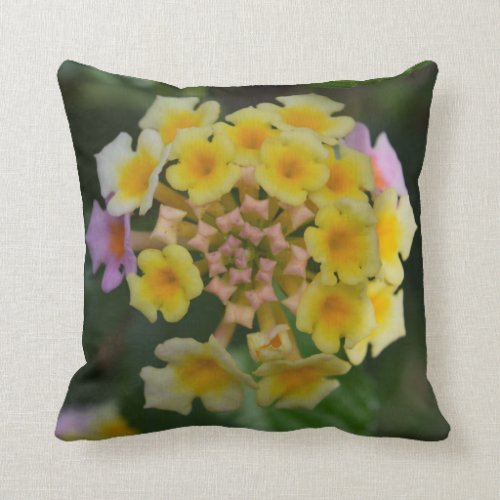
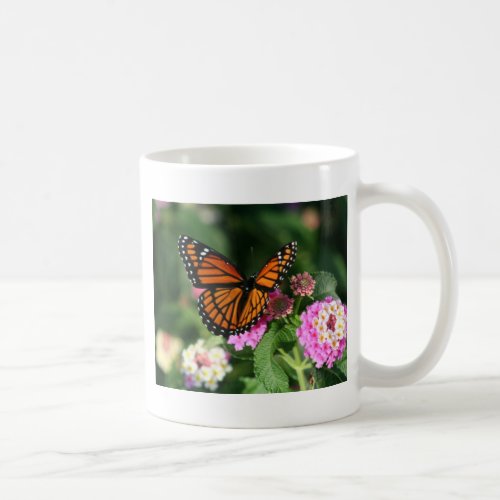
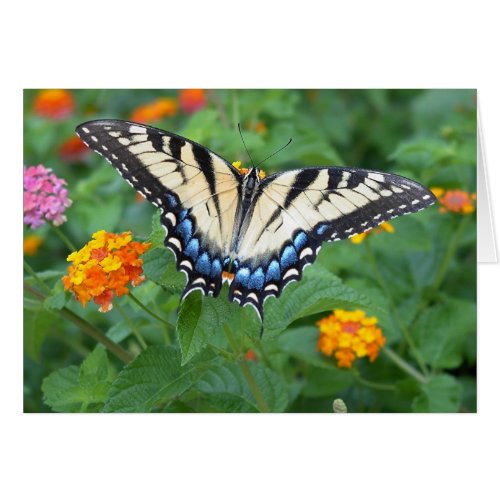
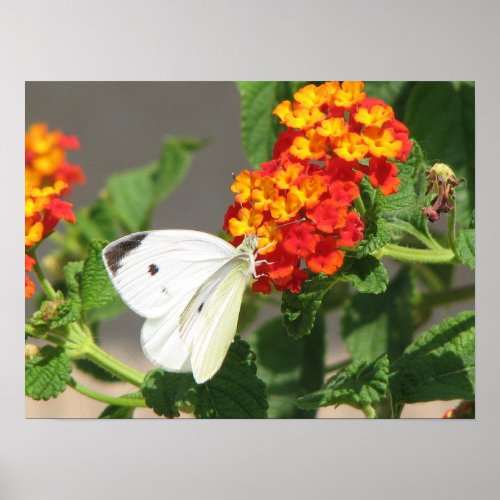
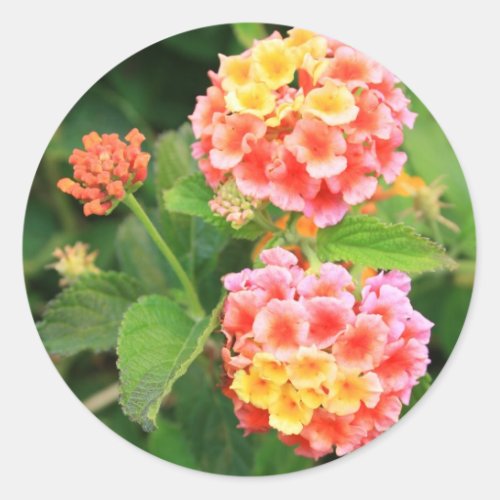
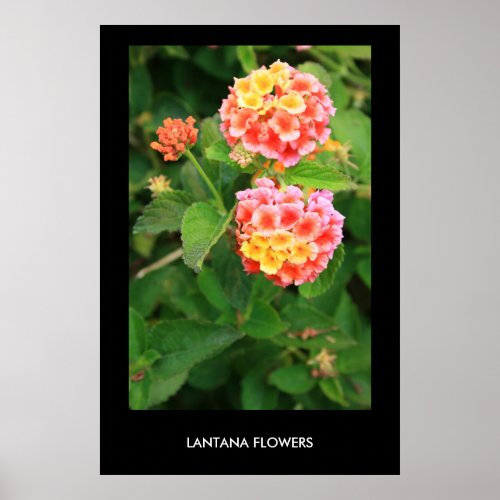
Zazzle Creators Love Lantana and the Critters That Love It.

Here are some of their creations.


Monday, August 31, 2015

My Experience with Teucrium Cossonii aka Fruity Germander

Newly Puchased Teucrium Cossonii (aka Fruity Germander), © B. RadisavljevicI bought my first and only Fruity Teucrium from Fat Cat Farm (now closed) at its close-out sale in June, 2013. It was in this four-inch pot, and I was told it was drought resistant, low growing, and tolerated poor soil. I had just the spot for it.


Teucrium Cossonii (aka Fruity Germander) and Tansy in Point of Front Flower Bed, © B. Radisavljevic
I planted it not long after purchase in a pointed side bed in Paso Robles, known for hot dry summers and water rationing during summer. The soil is very poor. It is hard to water that part of the side bed because the sprinklers won't stay within the boundaries of the bed. I wanted to be able water this section as little as possible. That's why I planted tansy, also drought-resistant, on either side of the fruity germander. The bright green tansy is on the very point of the flower bed on either side of the Teucrium Cossonii, which appears gray and purple. It is still small in October, four months after it was planted. Please click this or any photo here to enlarge it.


Two-year-old Teucrium Cossonii (aka Fruity Germander), © B. Radisavljevic


This is how the fruity germander has spread in a little over two years. This photo was taken near the end of August during a heat wave. This plant does not tolerate much water. It doesn't like wet feet, but will survive some watering in well-drained soil.


Flower on  Teucrium Cossonii (aka Fruity Germander), © B. Radisavljevic
This is a close-up of one of the Teucrium Cossonii flowers. The flowers are very small and the entire plant grows low to the ground. I am hoping to divide this plant this fall so that it will eventually cover this end of the flower bed.


This photo was taken at the end of May, 2014.  You can see how the tansy takes over in spring. It gets tall and blooms. Then it dies back in the heat of summer and needs to be cut back. Then the fruity germander steals the show again.

If I had it to do over, I would probably not have planted the tansy so close to the Teucrium Cossonii.


These books will help you select drought-resistant plants and lawn substitutes for your garden.


Wednesday, August 26, 2015

The Life Stages of Lamb's Ears

I have always loved the look of Lamb's Ears (STACHYS byzantina) with their wooly leaves. I love touching their softness. I love the way their gray color adds contrast to the green of my other garden plants.


The Life Stages of Lamb's Ears
Macro Lamb's Ears Leaves, © B. Radisavljevic


I started growing Lamb's Ears in my Templeton herb garden at least ten years ago in a pot. It escaped, and then I brought a baby plant to Paso Robles and put it in my front flower bed. It kept spreading, and now it's in every one of my front Paso Robles flower beds. It seems to thrive in this climate and seems to need very little water. I just let it grow because it smothers any weeds that try to grow through it.


The Life Stages of Lamb's Ears
 Lamb's Ears in Herb Garden, right, © B. Radisavljevic

The photo to the right shows that first potted Lamb's Ears plant in Templeton. To its left is a blooming bull thistle plant. You can also see lilies of the Nile (blue) to the left and behind the bull thistle. The orange and yellow flowers are a combination of Calendula and California golden poppies. The photo was taken near the end of June.

One of the first babies from this plant I put in Paso Robles is in this photo. This was taken in April before the plant started budding. That was back in 2013. Now the plant has spread to fill in all the empty space to the side and behind.


The Life Stages of Lamb's Ears
 Lamb's Ears in Paso Robles Garden, right, © B. Radisavljevic


This shot below was taken at the end of April when the plant is just beginning to bud.


The Life Stages of Lamb's Ears
 Lamb's Ears Budding, End of April, © B. Radisavljevic


Below the plants are flowering at the beginning of May. All the flowers do not open at once. The flowers are tiny and delicate, but they attract bees. By June the flowers fill out a bit more.


The Life Stages of Lamb's Ears
 Lamb's Ears Blooming, Beginning of May, © B. Radisavljevic


This last photo was taken August 25. By this time the flowers have dried out and gone to seed. The spikes are now leaning toward the ground. I will soon have to cut them back.


The Life Stages of Lamb's Ears
 Lamb's Ears end of August, © B. Radisavljevic


Related Posts Plugin for WordPress, Blogger...